A baseball cap is a curved, seamed, three-dimensional object. A flat platen is none of those things. That mismatch explains most hat transfer failures: the crown presses unevenly, the brim lifts, and the design peels at the edge after a few washes.
The best heat press for hats corrects that mismatch with a curved heating surface and a cradle that supports the inside of the crown. Pressure then reaches the seams and panels instead of concentrating on the highest point.
The market offers manual cap presses, semi-automatic models, and flat machines that can be adapted for headwear. Each has a place. The right choice depends on the caps you decorate and the number you press in a week.
Heat Press Leader builds cap presses for shops that need repeatable results, not one-off experiments. If you are sourcing for a team, send your cap styles and weekly volume early. A short brief gets you a machine recommendation and a quotation instead of a generic catalog.

A flat platen touches the top of the crown first. Pressure gathers there, while the seams and lower panels receive less. The operator compensates with more pressure or a longer dwell, which can scorch the fabric or flatten the cap.
Curved geometry spreads force across the crown. The lower cradle holds the cap from the inside, so the panels do not collapse during the press. That support matters most on structured caps and trucker hats, where the front panel is stiff and the mesh back behaves differently.
Crown curvature: a flat surface contacts only the highest point, so the rest of the cap receives less heat and pressure.
Seams: overlapping fabric creates high spots. Without support, those spots take the load and leave marks.
Brim: the visor needs clearance. If it sits under the platen, it can warp or lift the front panel.
Fabric mix: cotton twill, polyester mesh, and acrylic blends respond differently to the same setting.
None of this means a flat press is useless. It is the right tool for shirts, totes, and flat work. Hats simply ask for a different contact surface.
"Best" is not a model name. It is a fit between the machine and the work. A press that suits a one-person studio may be too slow for a team dealer, and a high-output machine may be overkill for a weekend brand.
Start with these six checks.
Curved platen matched to the crown: the heating surface should follow the cap's shape, not just carry a curve in the brochure.
Cradle support: the lower fixture should hold the inside of the cap without stretching the band.
Adjustable pressure: different cap builds need different clamp force, and the setting must return to the same point.
Even temperature: the whole curved surface should hold heat, not only the center.
Cycle control: a clear timer and stable controller reduce variation between operators.
Operator ergonomics: loading, clamping, and unloading should be comfortable for a full shift.
A press that passes all six is easier to train on. It also produces fewer rejects, which matters more than a low purchase price once you run a few hundred caps.
The same machine rarely fits every buyer. The profiles below show where each type earns its place. Use them to build a shortlist, then test with your own caps.
A manual cap press is usually enough. It costs less, takes up little space, and gives the operator direct control over the clamp. For fewer than twenty hats a week, the extra automation rarely pays for itself.
The trade-off is consistency. Two people can pull the handle with different force. Write down the pressure setting and dwell time, and check the first piece from every batch.
A semi-automatic cap press gives a small brand repeatable pressure without a steep learning curve. The machine takes over the clamp stroke, so the operator can focus on placement and peel timing.
This segment also changes artwork often. A clear controller, a stable cradle, and easy access to the platen matter more than a long list of features. Sampling is where the machine earns its keep.
Shops already decorating garments add headwear to keep customers from going elsewhere. The work is mixed: a dozen caps for one order, then shirts, then another cap style.
A semi-automatic cap press handles the curved work, while the existing flat presses cover garments. Consistency across operators matters here, because different staff members will run the same job.
Volume and repeat orders drive this segment. A team dealer may press the same logo on hundreds of caps across several weeks. Small pressure or temperature differences show up as color variation between batches.
Look for a press with a stable frame, a controller that holds its settings, and a cradle that accepts the cap builds you sell most. Operator turnover is common, so simple controls beat complex menus.
Deadlines are short and cap styles change from job to job. Fast heat-up, clear readouts, and a reliable timer keep a small run moving. The operator often has other tasks, so the press should recover quickly after loading.
Ask how the machine behaves on unstructured caps. Soft crowns need support without excessive pressure, or the front panel creases.
Manual presses rely on the operator to close the clamp. They cost less and give skilled hands a feel for the work. On a long run, however, fatigue changes pressure from the first hour to the last.
Semi-automatic presses close the platen with a controlled stroke. The operator still loads and positions the cap, but the machine applies the clamp. That reduces variation between cycles and between operators.
Choose manual when: volume is low, budgets are tight, and one experienced operator handles most jobs.
Choose semi-automatic when: orders repeat, several people use the press, or pressure consistency affects your reject rate.
Avoid manual for high volume: fatigue and handle technique create drift that shows up in the final batch.
Avoid semi-automatic for very low volume: the extra cost buys little if the press runs twice a week.
A simple test: if the operator's shoulder is tired at the end of the day, the press is doing too little of the work.

The upper platen should follow the crown, not just carry a curve in the spec sheet. The lower cradle should support the cap without stretching the band. Ask for the cap sizes and styles the press handles.
Pressure needs to be adjustable and repeatable. Too little pressure leaves a weak bond. Too much flattens the crown or pushes the seam into the transfer. A numbered or scaled control helps operators return to a known setting.
A curved platen can have hot and cold zones, just like a flat one. Ask for a temperature map across the surface, not only a setpoint. Uneven heat shows up as patchy adhesion or scorched panels.
The controller should hold temperature, count dwell time, and signal the end of the cycle. A clear display reduces training time. A lockable setting prevents accidental changes between shifts.
Check the frame, the clamp, and the base. A cap press takes repeated force, and a light frame moves under load. Allow clearance for the brim and the operator's hands, and confirm the voltage before delivery.
The best heat press for hats in one shop may fail on another shop's cap mix. Caps are not interchangeable. A press that handles a six-panel snapback may struggle with a soft dad hat or a mesh trucker cap.
Structured six-panel: firm front panel, needs strong support and even pressure across the crown.
Unstructured dad hat: soft crown, lower pressure, and careful support to avoid creases.
Trucker cap: mesh back compresses differently from the front; watch heat and pressure on the mesh.
Five-panel or camp cap: shallow crown, so check that the platen makes contact across the full panel.
Bucket hat: floppy crown and brim need a cradle that holds shape without crushing the sides.
Run a sample with your own transfer and fabric. A vendor demo with a perfect blank cap tells you less than one test on the style that gives you trouble.

Heat Press Leader, operated by Fujian Mech & Elec Co., Ltd., manufactures heat transfer equipment for craft businesses and headwear decorators. The semi-automatic hat press is built for caps and hats, with a curved platen and a supported lower cradle.
The range also includes flat presses and mini units for shops that handle garments and small flat goods alongside headwear. That matters when one order includes caps, shirts, and totes. You can keep the curved work on the cap press and the flat work on the right machine.
Semi-automatic hat press: curved work for structured caps, trucker hats, and repeat orders.
Manual and automatic flat presses: shirts, totes, and other flat substrates.
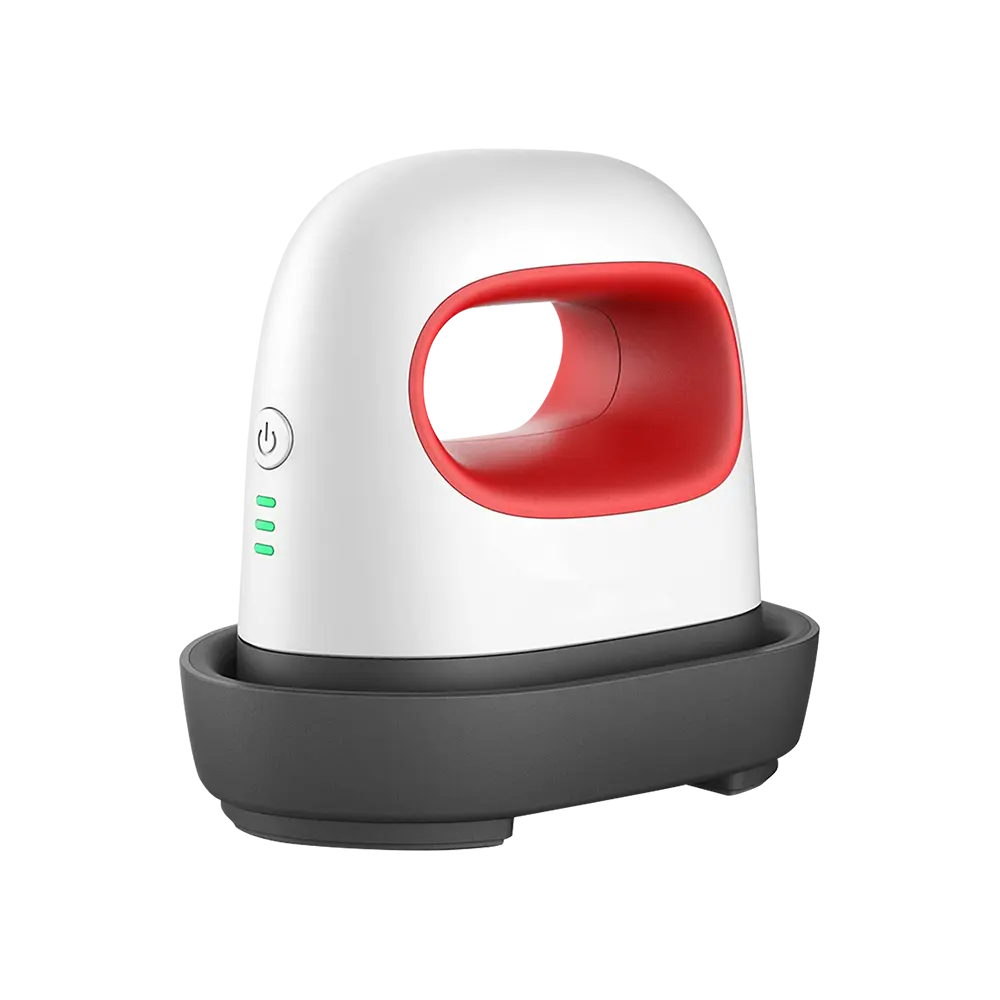
Mini digital press: sampling, small flat goods, and tight spaces.
Ask about voltage, plug type, lead time, and OEM or private-label options for your market. Those details affect installation and resale more than a headline speed number. The company's manufacturing background is worth reviewing before you shortlist.
Most bad cap transfers trace back to a handful of avoidable choices.
Using a flat press and calling it good. A few caps may look acceptable; the next batch exposes the weak bond.
Setting pressure by feel. Without a recorded setting, the next operator starts from zero.
Skipping a temperature map. The display can be right at the sensor and wrong at the edge of the platen.
Testing on the wrong cap. A stiff sample cap hides problems that appear on soft crowns and mesh backs.
Buying for peak volume only. A machine that is oversized for daily work sits idle and takes up space.
Forgetting training. The same press gives different results when nobody agrees on load position and dwell time.
A sample cap and a written setup sheet prevent most of these problems. Neither takes long, and both make the next order easier.
Q1: What is the best heat press for hats for a small business?
A1: For low volume and one operator, a manual cap press with a curved platen is often enough. For repeat orders, multiple operators, or consistent pressure, a semi-automatic cap press is the better fit. The best machine is the one that holds pressure and temperature on the caps you actually sell.
Q2: Can a flat heat press press hats?
A2: It can apply heat, but contact is poor on a curved crown. The flat platen touches the highest point first, so seams and lower panels receive less pressure. Some shops make it work with careful positioning and lower pressure, but the results are less consistent. A dedicated cap press is the safer choice for production.
Q3: What temperature should I use for a hat transfer?
A3: It depends on the transfer type, the cap fabric, and the supplier's instructions. Start with the transfer supplier's chart, then test on a spare cap. Curved surfaces and seams change how heat reaches the adhesive, so do not assume a shirt setting will transfer unchanged.
Q4: How much pressure should a cap press use?
A4: Enough to wrap the crown and bond the transfer without flattening the cap. Increase in small steps and check the seams after each test. Consistent pressure matters more than maximum pressure.
Q5: How do I check temperature uniformity on a curved platen?
A5: Ask for a temperature map at production heat. Test the center, edges, and seam areas with a calibrated probe or heat-sensitive strips. Infrared readings on bare metal can mislead because of emissivity. Then press a test cap and inspect the bond.
A useful inquiry includes more than a request for price. Tell the team what you press and how the work flows.
The cap styles you handle most often, such as structured six-panel, dad hat, trucker, or five-panel.
Your decoration method and transfer type, including HTV, DTF, or sublimation.
Average and peak weekly volume, plus the number of operators per shift.
The largest logo or placement you need to press.
Voltage, plug type, and available space at the installation site.
Destination country, expected delivery date, and any OEM or private-label requirement.
Send those details to Heat Press Leader and ask for a comparison of two or three suitable models. The right machine is the one that repeats your best sample on a busy Friday, not the one with the longest feature list. That is the practical meaning of the best heat press for hats.