In 2026, printing t shirts with heat press remains a practical way to produce small batches, on-demand orders, and repeat retail runs. Heat Press Leader works with print shops and apparel brands that need reliable custom heat press solutions and global delivery.
This guide covers trends, transfer materials, workflow, cost planning, and international service checks. Send an inquiry to Heat Press Leader for a 2026 custom quote and equipment recommendation.
Heat press T-shirt printing gives operators direct control over temperature, pressure, and dwell time. That control matters when buyers ask for fast samples, short runs, and consistent repeat orders.
For print shops, the process supports quick changeovers between designs. For apparel brands, it reduces minimum order pressure and helps test new artwork before a larger production run.
A heat press fits teams that handle mixed SKUs and tight deadlines. Operators can switch from cotton tees to polyester blends with the right transfer material and settings.
Short runs: Produce one-off samples or small retail drops without long setup cycles.
On-demand orders: Press only what a customer buys, which reduces dead stock.
Fast turnaround: Move from artwork approval to finished shirts in hours, not weeks.
Design flexibility: Test fonts, placements, and limited editions before scaling.
Heat press T-shirt printing supports higher margins when the workflow is clean. Good prep, accurate transfer selection, and simple quality checks reduce reprints and wasted blanks.
Brands also gain a local production option. That helps them answer market demand, manage inventory, and keep custom orders moving through busy seasons.
In 2026, printing t shirts with heat press workflows are moving toward DTF growth, automation, sustainable materials, and global fulfillment. Buyers want equipment that fits their voltage, plug type, certification needs, and spare-parts plan.
DTF transfers continue to gain ground for cotton, polyester, and blends. Shops like the soft hand feel, strong color output, and simple pressing steps.
Automation is also spreading. Automatic presses and digital controls help teams repeat settings and train new operators faster.
Digital temperature and pressure controls for repeat jobs.
Automatic or semi-automatic presses for higher daily output.
Workflow software for order tracking and design files.
Better powder and film handling for DTF transfer quality.
Buyers ask more often about transfer films, inks, packaging, and energy use. Shops can respond with cleaner processes and clearer material data.
Global fulfillment also shapes equipment choices. International custom service buyers need stable power compatibility, clear documentation, and access to spare parts.
Cross-border buyers should confirm voltage, plug type, and certification before ordering. A machine that works in one market may need changes for another.
Confirm 110V or 220V requirements and plug standards.
Check CE, UL, or other market-specific compliance needs.
Plan spare parts for heating elements, fuses, and controllers.
Ask for technical documents and operator training materials.
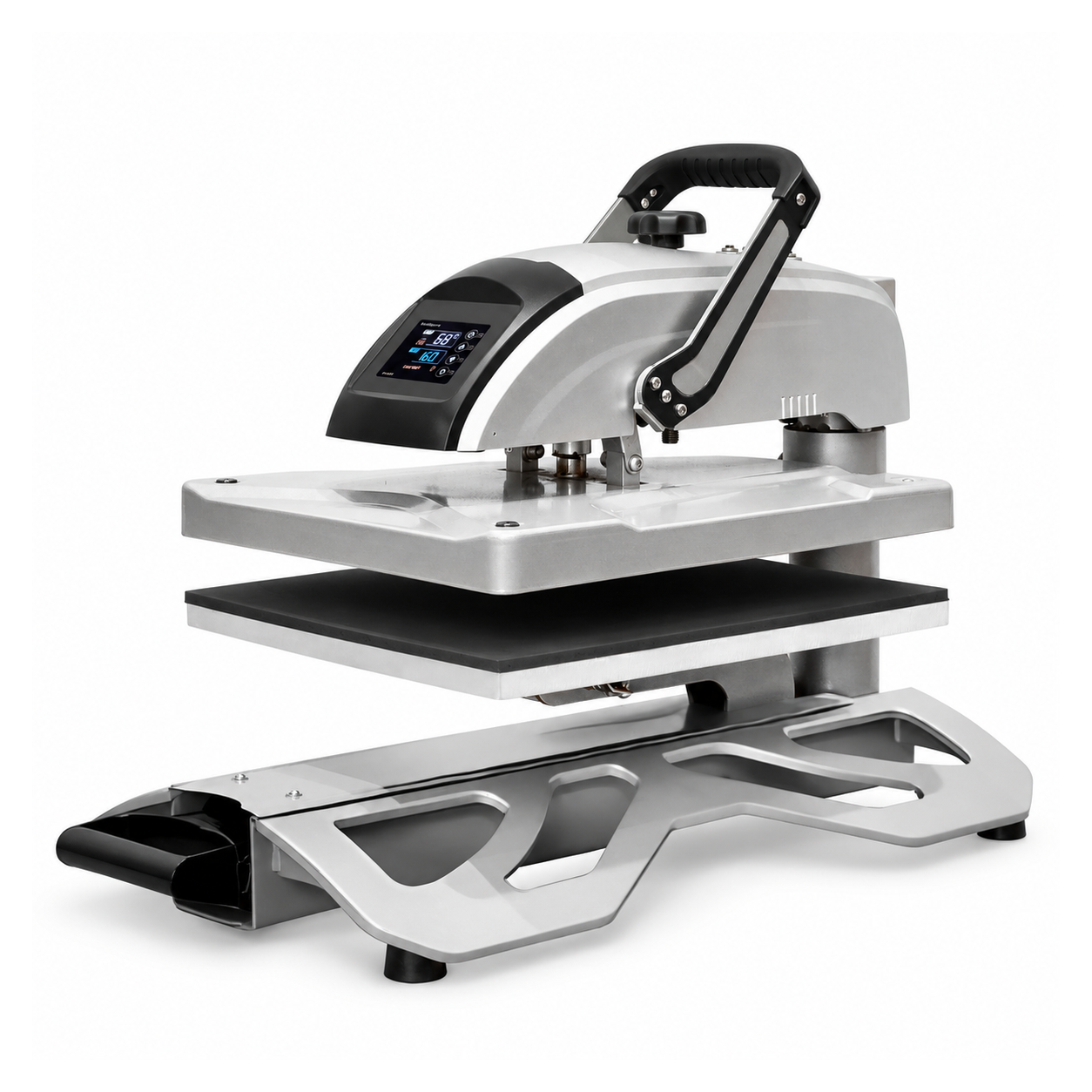
A custom heat press solution should match the shirt mix, order volume, and service market. Size, temperature control, and pressure consistency matter more than extra features that operators will not use.
Clamshell, swing-away, and draw-style presses serve different shop layouts. A swing-away press often suits thicker items and higher daily use, while a clamshell press can save space.
Platen size: Match common print areas, from small chest logos to full-back prints.
Temperature range: Confirm stable heat for DTF, vinyl, and sublimation materials.
Pressure control: Look for adjustable pressure and even platens.
Dwell time: Use a timer that repeats settings across operators.
Heat Press Leader supports OEM and ODM projects for distributors and apparel service providers. That includes voltage changes, plug options, branding, and packaging needs.
Compliance and after-sales should be part of the buying decision. Ask for test reports, warranty terms, spare-parts lists, and response times before you approve a custom order.
The transfer method changes the feel, durability, cost, and lead time. Match the method to the fabric and the buyer’s wash-care expectations.
DTF: Works well on cotton, polyester, and blends. Gives strong color and good stretch; wash durability depends on film and pressing quality.
Vinyl: Good for names, numbers, and simple shapes. It offers sharp edges but can feel heavier on large designs.
Sublimation: Best for high-polyester garments and all-over patterns. It leaves no added hand feel but does not bond well to 100% cotton.
For mixed fabric orders, DTF often gives shops more flexibility. For teamwear and polyester sportswear, sublimation can be the better fit. For small text and numbers, vinyl remains useful.
The basic process for printing t shirts with heat press starts with a clean artwork file and the right transfer material. Then the operator sets temperature, pressure, and time for the fabric and transfer type.
Prepare artwork at the correct size and resolution.
Print or cut the transfer material according to the method.
Pre-press the shirt to remove moisture and wrinkles.
Place the transfer with correct alignment and coverage.
Press at the tested temperature, pressure, and dwell time.
Peel according to the material instructions, then cool the shirt.
Check adhesion, edges, color, and hand feel before packing.
Simple checks catch most problems before shipping. Keep a settings sheet for each fabric and transfer combination.
Confirm the platen is clean and the shirt is flat.
Check temperature with a heat gun or probe when possible.
Test pressure on scrap fabric before a bulk run.
Review edges for lifting, bubbles, or incomplete bonding.
Record wash-test results for repeat materials.
Common issues include uneven pressure, low temperature, short dwell time, and moisture in the shirt. Each issue can cause poor adhesion or a dull finish.
When you calculate costs for printing t shirts with heat press, include the blank shirt, transfer material, labor, power, packaging, and reprint allowance. Equipment investment matters, but waste and rework often affect profit more.
Build a cost sheet by order type. A small custom order may carry a higher unit cost, while a repeat bulk order can spread setup time across more pieces.
Blank shirt cost and size surcharges.
Transfer film, ink, vinyl, or sublimation paper.
Labor time for prep, pressing, cooling, and QC.
Power use and maintenance parts.
Shipping, packaging, and replacement allowance.
Bulk orders benefit from batch pressing and fixed settings. On-demand orders need quick changeovers and clear job tracking.
Plan press time around drying, cooling, and packing. A simple queue board or order system helps operators avoid mixing sizes and designs.

International buyers need more than a machine specification. They need logistics, customs support, warranty terms, spare parts, and technical help across time zones.
Confirm shipping terms, duties, and customs documents.
Check warranty coverage and spare-parts availability.
Ask for voltage, plug, and certification confirmation.
Request setup guides and operator training files.
Confirm technical support channels and response times.
Review packaging for sea freight or air freight.
Use a vendor evaluation checklist before you place a custom order. Heat Press Leader helps buyers review these points so the equipment and service plan fit the target market.
Q1: Which fabrics work best for heat press T-shirt printing?
A1: Cotton, polyester, and blends are common. DTF covers many blends, sublimation suits high-polyester shirts, and vinyl works well for cotton and simple shapes. Always test the exact fabric and transfer combination.
Q2: Is DTF still worth investing in for 2026?
A2: Yes, for many shops. DTF handles mixed fabrics, supports small runs, and gives strong color. Check film quality, powder handling, and wash durability before you commit to a high-volume workflow.
Q3: How can international buyers ensure compliance and after-sales support?
A3: Ask for certification documents, voltage and plug confirmation, warranty terms, spare-parts lists, and support response times. Put these details in the purchase agreement.
Q4: What temperature and pressure should I use?
A4: Settings depend on the transfer material and fabric. Start with the supplier’s recommended range, then run a test shirt. Record temperature, pressure, dwell time, and peel method for repeat jobs.
Q5: How should a print shop plan bulk and on-demand orders?
A5: Group similar fabrics and transfer types, keep a settings sheet for each job, and schedule press time with cooling and packing in mind. Track reprints and adjust the cost sheet each month.
In 2026, printing t shirts with heat press still gives print shops and apparel brands a flexible path to custom orders. The right transfer method, press settings, and service plan protect quality and margin.
Heat Press Leader supports custom heat press solutions for international buyers. Share your fabric mix, order volume, voltage, and market requirements to request a 2026 quote, case review, or sample plan.