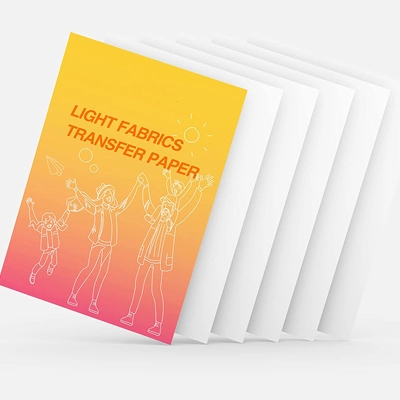
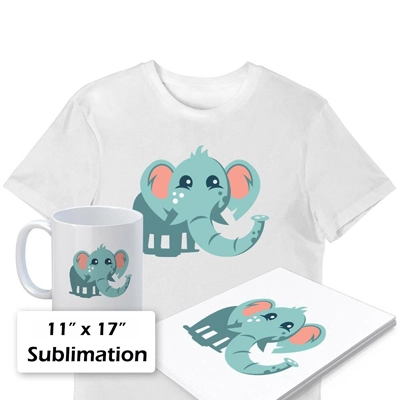
Demand for custom apparel has reached record highs in 2026. Print-on-demand sellers, contract decorators, and sportswear brands now manage orders featuring direct-to-film (DTF) transfers, high-density screen print transfers, and sublimation. Manual presses cannot keep up with this volume.
Hand-operated presses tire out your crew. They also cause inconsistent pressure, leading to peeling transfers and expensive garment waste. Upgrading to an automatic unit removes user error and speeds up your production line.
Choosing the best automatic heat press machine is an investment in your shop's future. Factory innovators like Heat Press Leader provide equipment built specifically to solve these bottleneck problems. Here is your definitive guide to the top ten automatic heat transfer machines available this year.

Before purchasing hardware, you must know what separates consumer gadgets from industrial workhorses. We evaluated this year's contenders using four core operational standards.
Automatic presses use either compressed air or electric servo motors to generate clamping force.
Pneumatic Heat Press Machine: Uses an external air compressor to generate high, consistent pressure. It handles continuous 8-hour factory shifts without mechanical strain.
Electric Automatic Heat Press: Uses an internal motor. It runs quietly, requires no separate compressor, and plugs directly into standard shop outlets.
Transfers fail when platens have cold spots. Top-tier machines feature cast-in aluminum heating elements that hold temperatures across the entire surface within three degrees Fahrenheit. Thick platens retain heat during high-speed runs, preventing recovery delays between presses.
Worker fatigue drops output and causes accidents. Look for machines with pull-out drawer lower platens. This feature keeps the operator's hands away from the upper heat platen when lining up shirts. Emergency stop switches and safety sensor bars are mandatory for commercial workplaces.
True commercial gear must carry safety certifications like CE, RoHS, and factory-level ISO9001 standards. Flimsy steel frames flex under high pressure, so thick structural steel is non-negotiable for clean DTF work.
The Pro-Series Dual-Station from Heat Press Leader sets the benchmark for high-output DTF and screen transfer production. Its shuttle design lets an operator load a shirt on one station while the machine presses on the other, eliminating idle time.
Drive: Heavy-duty pneumatic cylinder
Platen Size: 16 x 20 inches (40 x 50 cm) dual tables
Max Pressure: Up to 8 bar (116 PSI)
Best For: High-volume custom apparel manufacturers
Strengths: True commercial performance, zero platen recovery delay, and smooth foot-pedal operation. It cuts labor costs significantly on runs over 500 pieces.
Drawbacks: Requires a dedicated air compressor and extra floor space.
This unit provides heavy clamping force without an air compressor. The electric motor delivers repeatable pressure via a digital interface, and the auto-open release prevents scorched garments if your operator steps away.
Drive: High-torque electric servo motor
Platen Size: 16 x 20 inches
Max Pressure: Digital adjustment up to 350 kg
Best For: Mid-sized print shops and storefront boutiques
Strengths: Whisper-quiet operation, compact footprint, smooth pull-out lower platen, and clean plug-and-play installation.
Drawbacks: Cycle movement is marginally slower than pneumatic shuttle systems.
Versatility is critical when pressing items beyond standard adult t-shirts. This automatic machine features a quick-release platen base, allowing quick swaps for shoe platens, sleeve attachments, pocket platens, and youth boards.
Drive: Electric-Pneumatic Hybrid options available
Platen Size: Standard 15 x 15 inches with 4 modular options
Max Pressure: 6 bar pneumatic / adjustable electric
Best For: Athletic teams and mixed-product decorators
Strengths: Fast switch-outs without tools. Solid safety sensors protect hands during loading.
Drawbacks: Smaller base platen than full-size 16x20 production presses.
Designed for boutique studios and e-commerce creators, this compact electric unit packs automated clamping into an office-friendly footprint. Operators set time and temperature on an LCD touchscreen, place the garment, and tap start.
Drive: Internal electric motor
Platen Size: 12 x 15 inches
Max Pressure: Preset automated pressure
Best For: Etsy shops, design studios, and samples
Strengths: Sleek aesthetic, lightweight, clean desktop footprint, and simple controls.
Drawbacks: Fixed pressure profiles limit heavy leather or thick patch bonding.
Oversized streetwear graphics, cut-and-sew panels, and banners demand platens larger than the standard 16x20 inches. This industrial heat transfer machine offers expansive real estate coupled with dual pneumatic pistons that maintain balanced pressure across every corner.
Drive: Dual-cylinder pneumatic
Platen Size: 32 x 40 inches (80 x 100 cm)
Max Pressure: Up to 10 bar
Best For: All-over print garments, flags, and sublimation cut panels
Strengths: Flat, rock-solid pressure over a large surface area. Includes digital counter and multi-zone heating controls.
Drawbacks: High power draw and needs significant shop floor area.
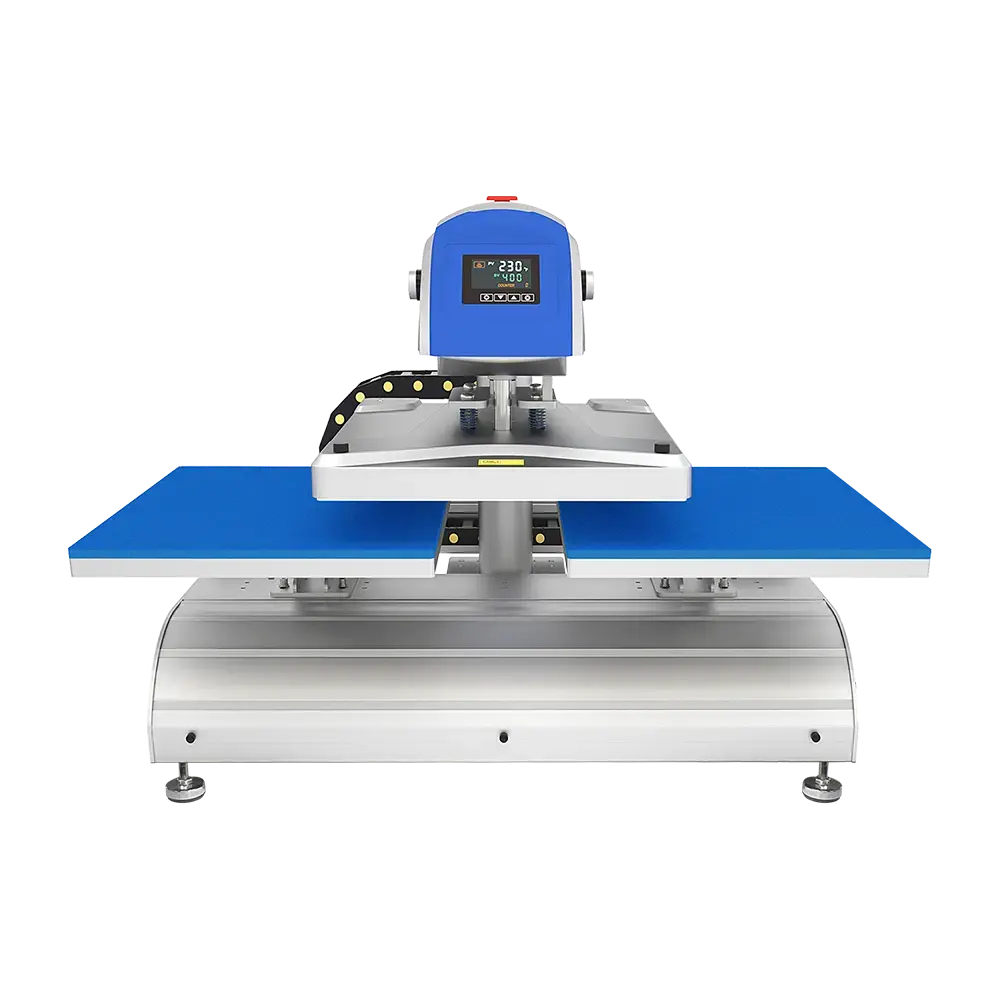
Rotary carousel systems are built for fast production. With continuous indexing tables, this style allows two workers to stage, press, and peel transfers without stopping the machine cycle.
Drive: Rotary indexing motor with pneumatic head
Platen Size: Four 16 x 20 inch platens
Max Pressure: 8 bar
Best For: Production plants running thousands of pieces daily
Strengths: Exceptional hourly piece output. Operator stays in one spot while garments rotate to them.
Drawbacks: Premium price tag; needs consistent order flow to justify the footprint.
Not every shop has the floor plan for a sliding dual table. The commercial auto-release clamshell uses magnetic locks to hold down the platen and automatically pops open when the countdown timer hits zero.
Drive: Electromagnetic latch with gas-shock lift
Platen Size: 16 x 20 inches
Max Pressure: Manual set, auto-release
Best For: Mobile event printing and space-constrained shops
Strengths: Fast cycle times, budget-friendly entry price, and zero garment scorching.
Drawbacks: Manual clamping still requires some physical exertion from the operator.
This automated monster features two operators working four staggered loading stations. While stations one and two are under heat, stations three and four are unloaded and prepped. This workflow maximizes labor efficiency on contract jobs.
Drive: Pneumatic multi-valve system
Platen Size: Four 16 x 20 inch stations
Max Pressure: Industrial 8 bar
Best For: Dedicated DTF print farms
Strengths: Eliminates heat platen downtime entirely. Robust emergency perimeter guards.
Drawbacks: Demands at least two operators to reach full efficiency.
Hats, neck tags, and wristbands need specialized equipment. Using a flat press for caps leads to creases and inconsistent adhesion. This dedicated auto-press features curved platens, automatic tensioning, and quick-open timing.
Drive: Compact electric actuator
Platen Size: 3.5 x 6 inches (curved cap)
Max Pressure: Automatic spring-tension clamp
Best For: Headwear brands and internal neck label branding
Strengths: Holds caps smooth against the platen with an automated rear hold-down strap. Never burns delicate synthetic trucker mesh.
Drawbacks: Limited solely to small surface placements.
Hybrid machinery gives shops flexibility. This unit functions as a hands-free automated press via foot pedal for large orders, but switches to manual mode for quick, single-piece samples.
Drive: Hybrid manual/pneumatic assist
Platen Size: 16 x 20 inches
Max Pressure: Up to 7 bar in pneumatic mode
Best For: Custom shops handling retail walk-ins alongside large bulk orders
Strengths: Versatile operation. You do not need to fire up the compressor just to press one sample t-shirt.
Drawbacks: Mechanical linkage is more complex, requiring regular lubrication.
A glossy product photo cannot reveal how a machine performs after three hundred thousand press cycles. The brand behind the machine makes the difference between consistent daily profits and expensive downtime.
Heat Press Leader (XinHong Group Limited) has engineered commercial heat transfer equipment since 2002. Operating from modern manufacturing facilities, the company holds ISO9001 and ISO14001 certifications. Every commercial auto heat press leaving the floor passes strict SGS, CE-EMC, and low-voltage electrical safety testing.
Global distributors and apparel brands work directly with Heat Press Leader for reliable OEM and ODM projects. Their deep engineering experience means heating platens provide true edge-to-edge accuracy, frames resist warping under heavy pneumatic loads, and electronic components hold up to tough production environments.
Q1: What is the main difference between an auto-release and a fully
automatic heat press?
A1: An auto-release (semi-automatic) press
requires the operator to clamp the machine down manually, but uses an
electromagnet to pop open automatically when the timer expires. A fully
automatic heat press uses an electric motor or pneumatic cylinder to both close
and open the platen automatically with a button push or foot pedal tap.
Q2: Does a pneumatic heat press machine always require an external
air compressor?
A2: Yes. Pneumatic machines rely on compressed air
to drive the mechanical piston. You will need a clean, dry air source with a
compressor capable of supplying 6 to 8 bar of pressure. If you do not have space
for a compressor, choose an electric automatic heat press instead.
Q3: What are the ideal machine settings for DTF
transfers?
A3: Most direct-to-film transfers press between 285°F to
320°F (140°C to 160°C) with medium-to-firm pressure (40 to 60 PSI or 4 to 5 bar)
for 10 to 15 seconds. The best automatic heat press machine lets you save these
digital presets for repeatable applications.
Q4: How do I maintain an industrial heat transfer
machine?
A4: Keep your upper heating platen clean by wiping it down
when cool using a non-abrasive cloth. Check pneumatic air filters weekly for
trapped moisture. Lubricate pivot joints every three months, and verify your
platen temperature every six months using a non-contact infrared pyrometer or
surface probe.
Q5: Can an automatic heat press handle thick items like hoodies
without crushing the fabric?
A5: Yes, provided the unit features
wide platen clearance and micro-adjustable pressure switches. Heavy electric and
pneumatic models allow you to dial in specific height clearances and lower
pressure settings so you do not leave unwanted press marks on fleece.
Automating your heat press line removes production bottlenecks, lowers staff fatigue, and eliminates ruined garments. Finding the best automatic heat press machine for your shop depends on your workflow, available floor space, and daily order volumes.
Stop losing money to manual press errors. Upgrade your facility with commercial equipment built for industrial output.
Ready to transform your production line? Connect with the engineering team at Heat Press Leader today to request factory-direct wholesale pricing or discuss custom OEM/ODM machinery built for your apparel business.
Contact us by email:admin@heatpressleader.com | Visit our showroom: www.heatpressleader.com